

Kids' natural curiosity means they love to play, read, and learn. So why not satisfy all three cravings with an afternoon of games paired with matching folktales!
First, head to the library and check out a big stack of folktales from different places around the world. Next, gather what you need (it's not much!) for these DIY-friendly traditional games. Finally, play a game to match the location in your folktale book!
This is just a sampling of all the traditional games we have on the blog. To see the complete collection visit the hub for all our traditional games from around the world.
How to use this guide
Each location or culture below includes a link to a traditional game and a book list. Follow the game link to get instructions for the game. Several of the instructions include how-to videos and/or printable game boards.
In addition, I've included background information and the history behind each game. For a handful of the locations I've included a second game to try, but you'll find lots more on the blog in our traditional games hub.
The book link directs you to a book list of folktales that match the origin of the game. Choose as many books from the list as you wish to read before or after you play. Note that the books aren't about the individual game.
China
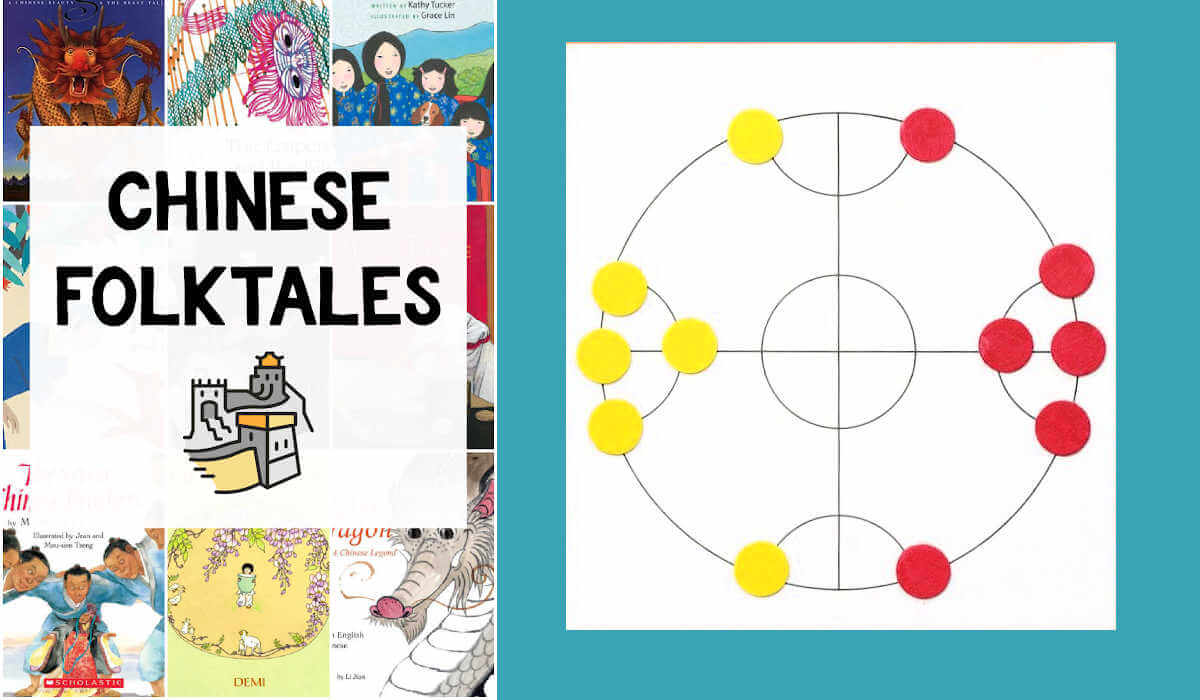
Many Chinese folktales feature stories with twists and turns to encourage kids to use their predictive skills. Those skills will come in handy when they try their luck at the battle game, Xi Gua Qi, which also goes by the whimsical name of "Watermelon Chess."
Play: Watermelon Chess
Read: Chinese Folktales
Hawai'i
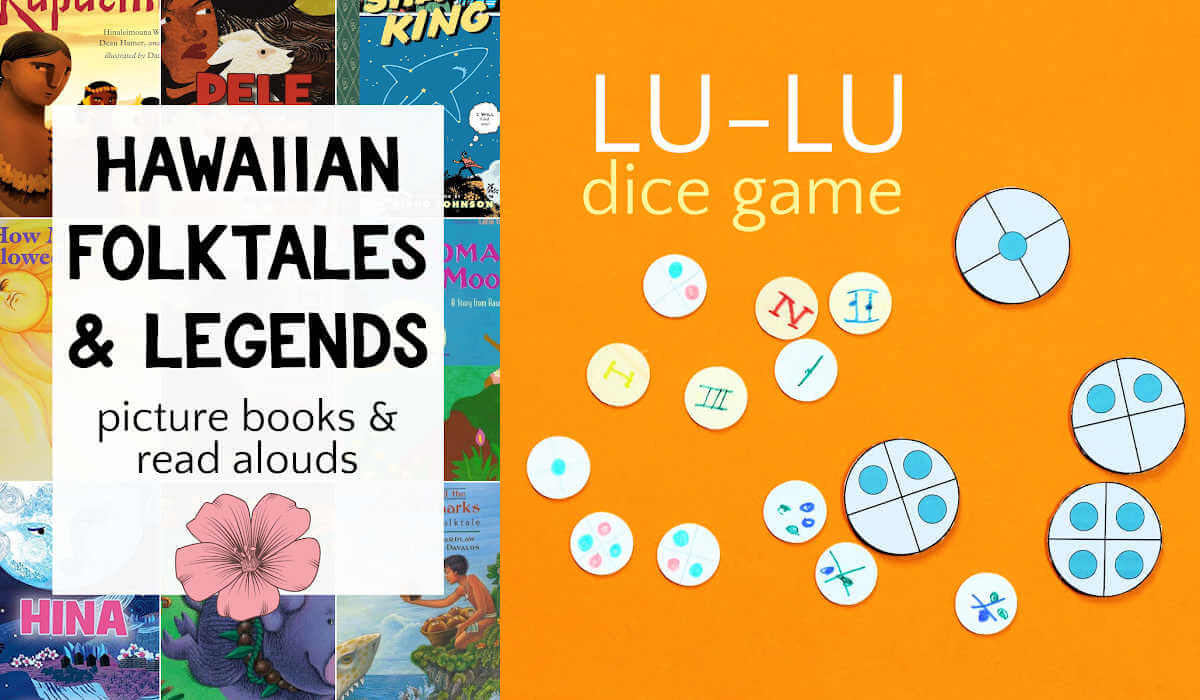
As you might expect, volcanoes and sharks feature prominently in Hawaiian legends. But aren't any volcanoes in Lu-Lu, the only dice game featured on this list. Unusually, Lu-Lu is played with flat dice, which your kids can make ahead of time. The game requires very basic counting skills, making it a fun way for younger kids to get in some math practice.
Play: Lu-lu Dice
MORE: 50 Folktale Picture Books From Around the World
Korea
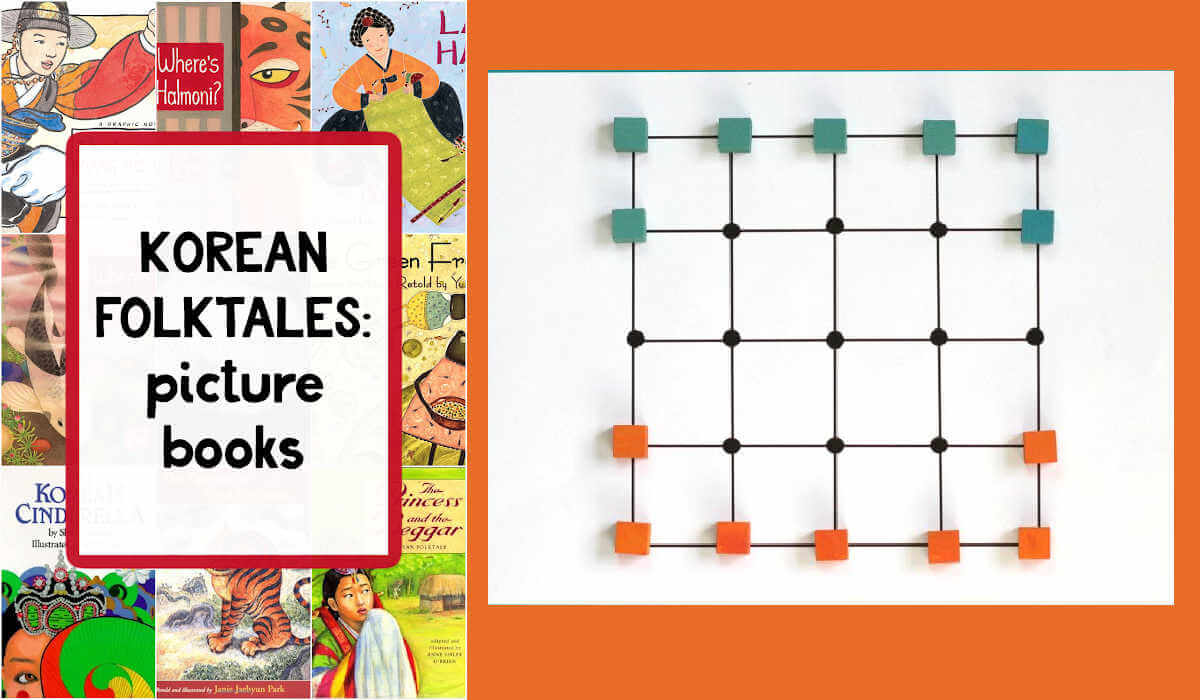
Five Field Kono is a forerunner of the popular board game, Chinese Checkers. In this battle game, two players face off to be the first to take over the opposite side of the board. Instead of marbles, which roll all over the place (!!), use any tokens you have from games in your closet, buttons or coins.
Play: Five Field Kono
Read: Korean Folktales
MORE: Here's a great tip! In addition to folktales, pair the games with books from our list of picture books from around the world.
India
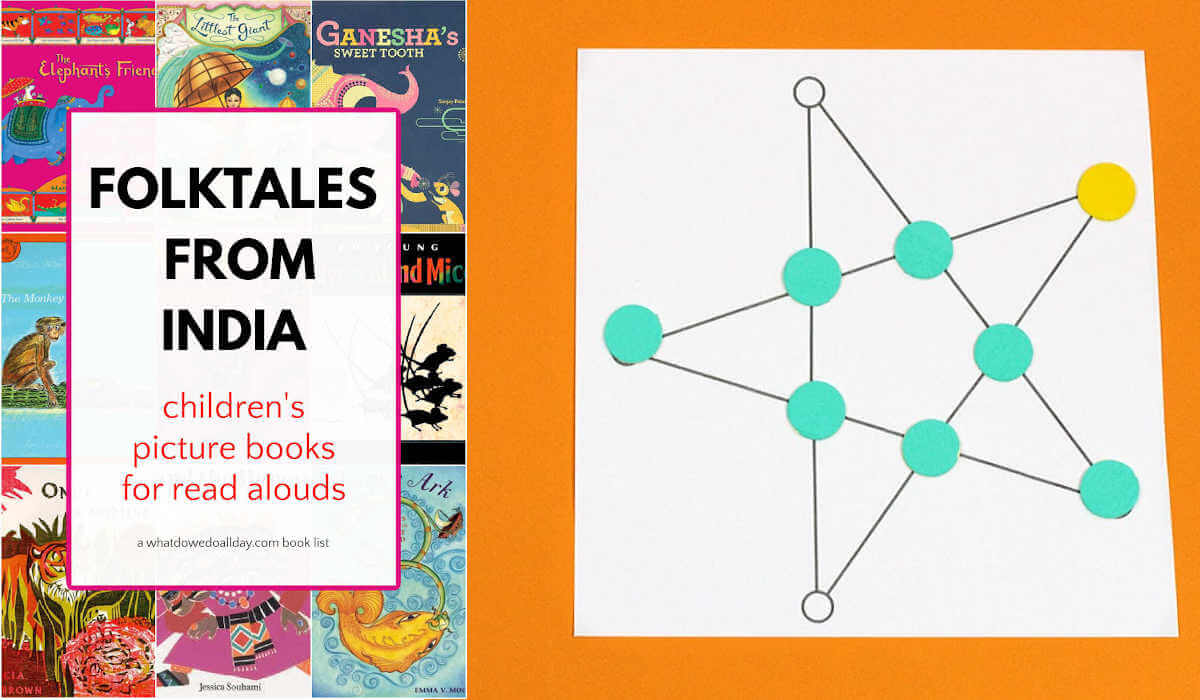
This abstract strategy game, also known as "Vulture and Crows," is a hunt-type game in which opposing players have uneven numbers of tokens. The star shaped playing board is a diverting change from the usual square or rectangle, challenging young brains. The alternative selection, Lau Kata Kati, is played on a butterfly-shaped board.
Europe
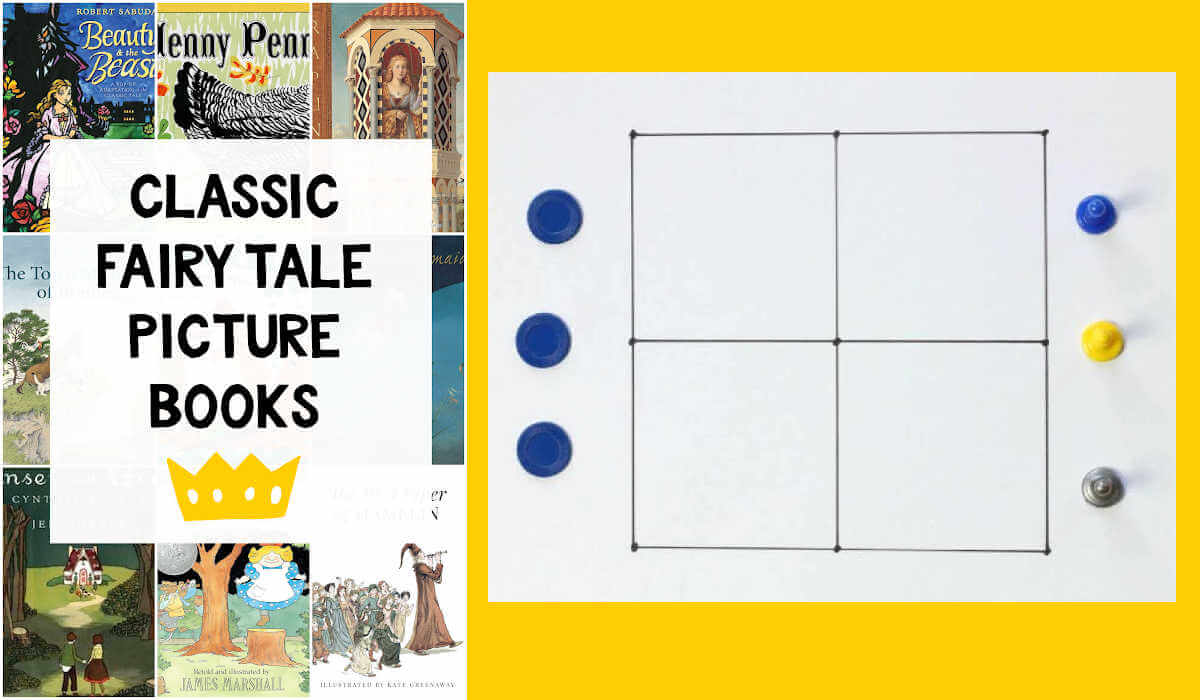
Your kids will likely recognize the similarity between Nine Holes and Tic-Tac-Toe, aka Noughts and Crosses. Once they've mastered Nine Holes, they can move onto Fox and Geese, which is much more challenging. Chose a favorite classic European fairy tale to enjoy alongside the game.
Play: Nine Holes (England)
Alternate Game: Fox and Geese (Northern Europe)
MORE: Scandinavian and Nordic Folktales
Native American
It's important to acknowledge that Native Americans and Indigenous Peoples are not a monolith and the board games here will not match exactly with the folktales on our folktale picture books. Be sure to note with your kids the origin of each folktale as well as the origin (and possible origin) of the board games.
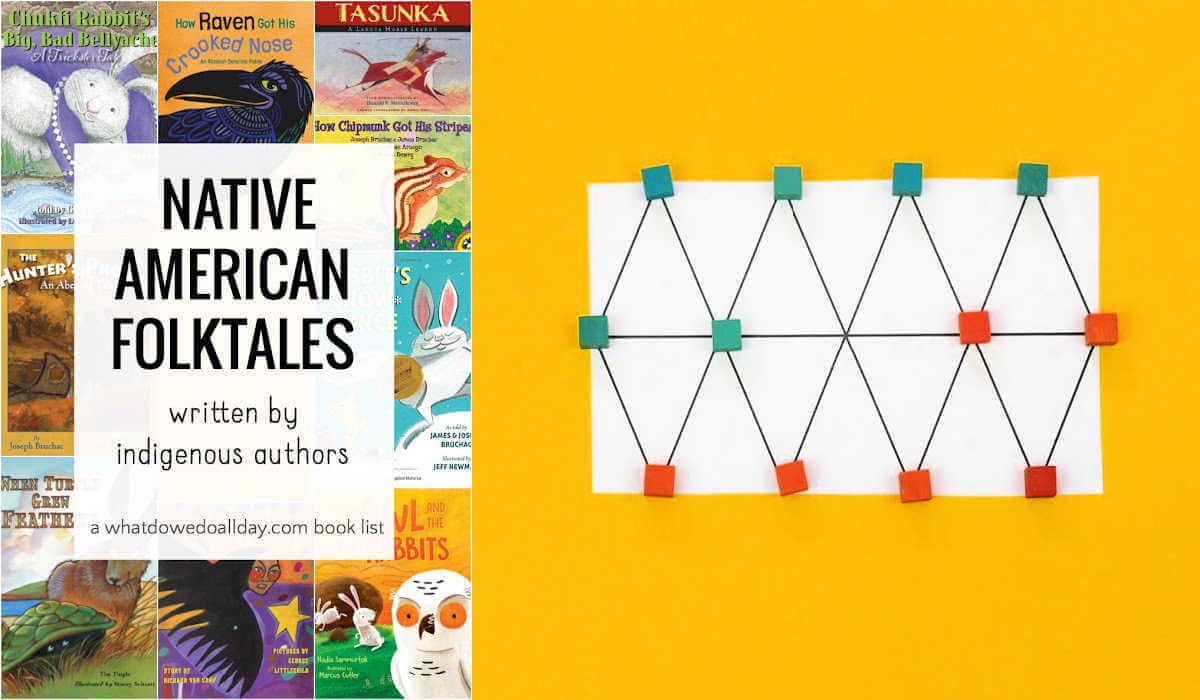
Play: Kolowis Awithlaknannai (Zuni). Also known as "Fighting Serpents" is an abstract strategy game. As your kids become skilled players, they can move on to the extended board with even more triangles!
Alternative Game: Picaria (Present day American Southwest)
Read: Native American Folktales, all of which are retold by Native voices.
Africa
As with the Native American pairings, make sure you remind your kids that Africa is composed of a huge variety of cultures and countries. Not all the folktales on the list are written by African voices, so ask your kids how they feel about that and what might be lost, changed, or gained when folktales are told across cultures!
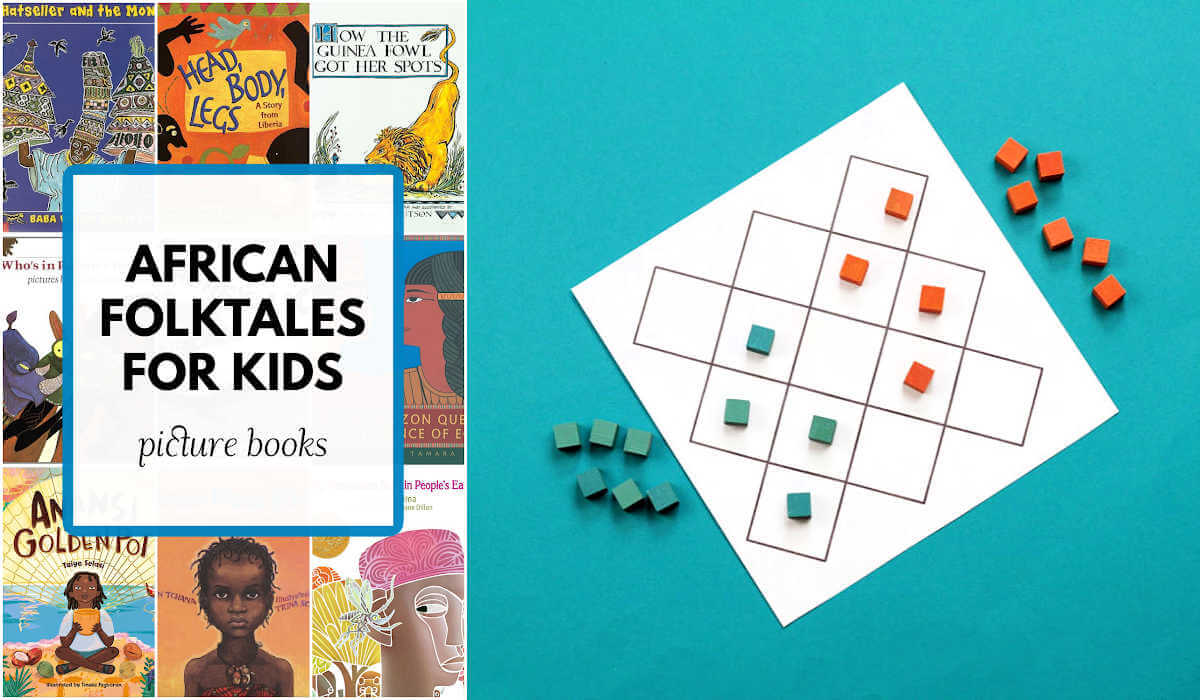
Play: Queah (Liberia)
Alternate Game: Dara (Nigeria)
Read: Folktales from Africa, including folktales from Liberia and Nigeria to match the games.

Leave a Reply